

sexta-feira, 5 de outubro de 2012
Rock da banda oriental - Uruguai
Shakers And Mockers: Uruguay's Place In Latin Rock History
 by ERIC ZOLOV
Squeezed in between mighty Brazil and Argentina, Uruguay has historically served as a geopolitical buffer zone, a nation whose own political and cultural identity has been overshadowed by its powerful neighbors. Yet during the 1960s this small country generated some of the most original rock found anywhere in the hemisphere. Foreign influences abounded, from the Anglo-rock invasion by the U.K. and the U.S., to the commercialized pop of Argentina and the cultural remixings of the Brazilian tropicalistas. Uruguayan rockers chewed on these influences and spat them back, mockingly at first and more somberly as the night of political repression fell.
Uruguay was long known as the Switzerland of South America. It had a stable, two-party political system with a large middle class. The military had stayed out of politics and wasn't expected to come back. When Beatlemania hit the Western Hemisphere, Uruguayan youth were especially ready to join in the revelry. "Discódromo," a freewheeling radio program (and, later, TV show) started by Rubén Castillo in 1960, had already exposed the youth of Montevideo, Uruguay's capital, to the teen culture emerging abroad. In the years to come, Discódromo would play a key role in supporting and disseminating the nation's homegrown rock talents.
In 1964 a Uruguayan quartet, led by the talented Fattoruso brothers, decided to recreate the Beatles at home. They did so in the form of Los Shakers, a pop-rock sensation who established a high bar for miming metropolitan rock. Uruguay's era of English-language música beat had begun. Other groups soon followed, notably Los Mockers, whose artful impersonation of The Rolling Stones was the counterpart to Los Shakers. Here's Los Shakers doing "Let Me Go":
Although the lead singer, Polo Pereira, could not speak English, his ability to channel the persona of Mick Jagger was truly mind-blowing. Even their name (a combination of mods and rockers) conveyed the coy, tongue-in-cheek defiance that characterized the spirit of many of these bands: defiance toward one's elders, certainly, but also toward the geographical fate of Uruguay itself, tucked away at the bottom of the South American continent.
Here are Los Mockers doing their version of "Paint it Black" by the Rolling Stones, protruding lips and guttural sneer wholly intact:
The legends of Los Mockers and, especially, Los Shakers quickly spread not only to Argentina, where they both recorded and were carefully managed by their handlers, but beyond.
By the mid 1960s, scores of so-called "beat bands" were performing across Uruguay. They did so in spaces ranging from the semi-underground cuevas (caves), as they were known, to the ritzy hotels and private clubs that dotted the country's beach resorts. Except for Los Shakers, whose subsequent recordings were mostly originals, these bands essentially performed covers of foreign hits. Moreover, they all sang in English. They did so not sheepishly but with unabashed exuberance (even when their diction was less than perfect). As Esteban Hirschfield, organist for Los Mockers, later remarked in an interview, there was "no shame" in imitating the Stones "as closely as possible." "On the contrary," he reflected, "we were proud of it."
Singing in English seemed the obvious ticket for staking a claim to a world beyond Uruguay. It was, as cultural theorist Abril Trigo has suggested, a logical way to be taken seriously for a "Europeanized but peripheral youth who desperately wanted to be modern." It also led to some exceptionally fine original rock in a language that was not one's own, such as Los Shakers, at the peak of their commercial success, performing their 1966 bossa nova-influenced hit, "Never, Never":
By 1968, the cultural climate for making music was undergoing a radical shift. A self-confidence established over the previous years had laid the foundations for greater experimentation. The political situation had shifted as well. Los Tupamaros, an urban guerrilla group, captured the headlines with a spate of kidnappings in the name of revolutionary justice. Che Guevara was dead, but his spirit was more alive than ever. In June 1968, the president declared a state of emergency, suspending numerous constitutional protections. Uruguay was now on a slippery slope that lead to direct military rule in 1973.
That year, the country's two most important bands, Los Shakers and Los Mockers, both broke up. Their dissolution marked the end of an era in which, for a brief period, English-language Uruguayan rock dominated the South American pop charts. As Osvaldo Fattoruso of Los Shakers later noted, the band was "tired of playing at being the Beatles." The band's last swipe was the masterful La Conferencia Secreta Del Toto's Bar, an album clearly influenced by The Beatles' recent release of Sgt. Pepper's Lonely Hearts Club Band. La Conferencia Secreta serves as a kind of time capsule of a pivotal moment in 1960s Uruguay: a moment when rock was becoming politicized and a new, far more organic musical sensibility began to take hold.
The bite was still there, as bold as ever, but the subject matter had become more serious. Such was reflected in the album's title cut, a sardonic retelling of the 1962 meeting that led to the expulsion of Cuba from the Organization of American States. "Maybe I read it in a storybook/Maybe in a picture/beneath the author's desk/There were three generals with little boots/Each one with a pocketful of medals/. . ./From London, Paris, Berlin, they went on holidays/They billed the kids from Uruguay/And stopped Sir Rafael":
The era of a unique, Uruguayan commercialized rock had largely ended. But a new era, one spearheaded by the experimental "candombe-rock" of El Kinto, on one hand, and the progressive rock of bands such as Psiglo was about to begin.
——————————————————————————————
by ERIC ZOLOV
Squeezed in between mighty Brazil and Argentina, Uruguay has historically served as a geopolitical buffer zone, a nation whose own political and cultural identity has been overshadowed by its powerful neighbors. Yet during the 1960s this small country generated some of the most original rock found anywhere in the hemisphere. Foreign influences abounded, from the Anglo-rock invasion by the U.K. and the U.S., to the commercialized pop of Argentina and the cultural remixings of the Brazilian tropicalistas. Uruguayan rockers chewed on these influences and spat them back, mockingly at first and more somberly as the night of political repression fell.
Uruguay was long known as the Switzerland of South America. It had a stable, two-party political system with a large middle class. The military had stayed out of politics and wasn't expected to come back. When Beatlemania hit the Western Hemisphere, Uruguayan youth were especially ready to join in the revelry. "Discódromo," a freewheeling radio program (and, later, TV show) started by Rubén Castillo in 1960, had already exposed the youth of Montevideo, Uruguay's capital, to the teen culture emerging abroad. In the years to come, Discódromo would play a key role in supporting and disseminating the nation's homegrown rock talents.
In 1964 a Uruguayan quartet, led by the talented Fattoruso brothers, decided to recreate the Beatles at home. They did so in the form of Los Shakers, a pop-rock sensation who established a high bar for miming metropolitan rock. Uruguay's era of English-language música beat had begun. Other groups soon followed, notably Los Mockers, whose artful impersonation of The Rolling Stones was the counterpart to Los Shakers. Here's Los Shakers doing "Let Me Go":
Although the lead singer, Polo Pereira, could not speak English, his ability to channel the persona of Mick Jagger was truly mind-blowing. Even their name (a combination of mods and rockers) conveyed the coy, tongue-in-cheek defiance that characterized the spirit of many of these bands: defiance toward one's elders, certainly, but also toward the geographical fate of Uruguay itself, tucked away at the bottom of the South American continent.
Here are Los Mockers doing their version of "Paint it Black" by the Rolling Stones, protruding lips and guttural sneer wholly intact:
The legends of Los Mockers and, especially, Los Shakers quickly spread not only to Argentina, where they both recorded and were carefully managed by their handlers, but beyond.
By the mid 1960s, scores of so-called "beat bands" were performing across Uruguay. They did so in spaces ranging from the semi-underground cuevas (caves), as they were known, to the ritzy hotels and private clubs that dotted the country's beach resorts. Except for Los Shakers, whose subsequent recordings were mostly originals, these bands essentially performed covers of foreign hits. Moreover, they all sang in English. They did so not sheepishly but with unabashed exuberance (even when their diction was less than perfect). As Esteban Hirschfield, organist for Los Mockers, later remarked in an interview, there was "no shame" in imitating the Stones "as closely as possible." "On the contrary," he reflected, "we were proud of it."
Singing in English seemed the obvious ticket for staking a claim to a world beyond Uruguay. It was, as cultural theorist Abril Trigo has suggested, a logical way to be taken seriously for a "Europeanized but peripheral youth who desperately wanted to be modern." It also led to some exceptionally fine original rock in a language that was not one's own, such as Los Shakers, at the peak of their commercial success, performing their 1966 bossa nova-influenced hit, "Never, Never":
By 1968, the cultural climate for making music was undergoing a radical shift. A self-confidence established over the previous years had laid the foundations for greater experimentation. The political situation had shifted as well. Los Tupamaros, an urban guerrilla group, captured the headlines with a spate of kidnappings in the name of revolutionary justice. Che Guevara was dead, but his spirit was more alive than ever. In June 1968, the president declared a state of emergency, suspending numerous constitutional protections. Uruguay was now on a slippery slope that lead to direct military rule in 1973.
That year, the country's two most important bands, Los Shakers and Los Mockers, both broke up. Their dissolution marked the end of an era in which, for a brief period, English-language Uruguayan rock dominated the South American pop charts. As Osvaldo Fattoruso of Los Shakers later noted, the band was "tired of playing at being the Beatles." The band's last swipe was the masterful La Conferencia Secreta Del Toto's Bar, an album clearly influenced by The Beatles' recent release of Sgt. Pepper's Lonely Hearts Club Band. La Conferencia Secreta serves as a kind of time capsule of a pivotal moment in 1960s Uruguay: a moment when rock was becoming politicized and a new, far more organic musical sensibility began to take hold.
The bite was still there, as bold as ever, but the subject matter had become more serious. Such was reflected in the album's title cut, a sardonic retelling of the 1962 meeting that led to the expulsion of Cuba from the Organization of American States. "Maybe I read it in a storybook/Maybe in a picture/beneath the author's desk/There were three generals with little boots/Each one with a pocketful of medals/. . ./From London, Paris, Berlin, they went on holidays/They billed the kids from Uruguay/And stopped Sir Rafael":
The era of a unique, Uruguayan commercialized rock had largely ended. But a new era, one spearheaded by the experimental "candombe-rock" of El Kinto, on one hand, and the progressive rock of bands such as Psiglo was about to begin.
——————————————————————————————





Too Much Horror Business: The Kirk Hammett Collection

Kirk Hammett of the band Metallica.
Mark Leialoha
October 1, 2012 5:05 PM ET
Almost a decade before he picked up the guitar – and even longer before he joined Metallica – a six-year-old Kirk Hammett started collecting horror memorabilia, inspired by a love of old zombie flicks. Starting today, fans will have an opportunity to peek inside his ghoulish trove with Too Much Horror Business: The Kirk Hammett Collection (Abrams Image), the rocker's new coffee-table book featuring over 300 images of his prized possessions. "I can't be the solitary collector," Hammett tells Rolling Stone. "It's time for me to share it with the world."
Hammett goes in depth with writer Steffan Chirazi throughout the 224-page book, explaining how he built an impressive collection that includes Frankenstein masks, Rodan and Ghidorah models and vintage film posters from The Day of the Triffids, The Mummy and Blacula – among countless other treasures.
While Hammett is keeping busy with the new book and his very own toyline – KVH, based on his spooky alterego, Kirk Von Hammett – he's still focused on his Metallica duties, from the 3D movie the band shot in Canada last month to mapping out their next LP. "Once we're done with [the movie], we're going to start hunkering down and putting riffs together," Hammett says. "That's all going to happen soon."
You've been collecting for decades. Why did you decide to put out a book now, and how did you go about putting it together?
Everything that's in the book is stuff that is actively in my collection. I've been into horror movies ever since I was five years old. I started collecting horror-related stuff when I was six years old – monster magazines, comic books and whatnot. Over the last five years or so, I started to get a few items that made my collection just that much better. I mean, really raised the overall quality of my collection. I thought, "I can't be the solitary collector. It's time for me to share it with the world." So this book is my gift to all the other monster kids and all the horror nerds out there, who love this stuff as much as I do.
Everything that's in the book is stuff that is actively in my collection. I've been into horror movies ever since I was five years old. I started collecting horror-related stuff when I was six years old – monster magazines, comic books and whatnot. Over the last five years or so, I started to get a few items that made my collection just that much better. I mean, really raised the overall quality of my collection. I thought, "I can't be the solitary collector. It's time for me to share it with the world." So this book is my gift to all the other monster kids and all the horror nerds out there, who love this stuff as much as I do.
The whole idea was to not just make a book filled with images, but also to interject some of my personality into it, so it made it a little bit more personable. So there's interviews with me discussing collecting in general. There's pictures of me with my collection, and there's also a picture of my horror persona, "Kirk Von Hammett" – which is me in ghoul makeup.
I hope people will not be disappointed with it. I put my heart and soul into this book, and I'm really pleased with how it turned out. I should be – I fucking went through every little positioning of all the pictures and every little word and grammatical stuff. Everything from cover to cover. It really has been a labor of love, and I'm just very proud of it.
What can fans expect from your toy line?
The first toy to come out will be a figure based on my Kirk Von Hammett persona. We're also going to make other toys that have a tie-in with the book, or are images from movies that are in my book. It's going to be pretty cool, because I've always wanted to make toys. It's my attempt to have a cool toy line that makes horror-related monster toys.
The first toy to come out will be a figure based on my Kirk Von Hammett persona. We're also going to make other toys that have a tie-in with the book, or are images from movies that are in my book. It's going to be pretty cool, because I've always wanted to make toys. It's my attempt to have a cool toy line that makes horror-related monster toys.
We recently asked our readers to pick the Greatest Heavy Metal Albums of All Time, and they voted four Metallica albums onto the list, with Master of Puppets claiming the top spot. Amazing. Totally and completely amazing to me. That album, for me, is my favorite Metallica album. We had been playing together as a band with that lineup for about three years. We were definitely peaking, and Master of Puppets, in my opinion, was the sound of a band really gelling and really learning how to work well together. At the time, we were just making another album. We had no idea it would have such a range of influence that it went on to have. It was the first time that we could spend time in the studio and work on guitar sounds for a couple of days, really experiment with different sounds and overdubs. It was just a good time for me . . . and I played a lot of poker with [late bassist] Cliff Burton in the studio. We'd just play poker, wait for Lars to finish a track – which would sometimes be days – and we'd be bored.
How was Cliff at poker?
He was a pretty good poker player. But if he lost too much, he'd get pissed and start swearing and get up and walk away. He was a little bit of a sore loser when he wasn't winning.
He was a pretty good poker player. But if he lost too much, he'd get pissed and start swearing and get up and walk away. He was a little bit of a sore loser when he wasn't winning.
Lars Ulrich has said that a new Metallica LP probably won't arrive until 2014. What's the status of the album now? Are there any plans to have Rick Rubin produce it?
Right now, we're kind of preoccupied with dealing with this 3D movie that we shot up in Canada last month. So that's kind of taking our time right now – that's the priority, to deal with that. But once we're done with that, we're going to start hunkering down and putting riffs together. That's all going to happen soon. I really don't have an answer about Rick Rubin, although his name certainly comes up.
Right now, we're kind of preoccupied with dealing with this 3D movie that we shot up in Canada last month. So that's kind of taking our time right now – that's the priority, to deal with that. But once we're done with that, we're going to start hunkering down and putting riffs together. That's all going to happen soon. I really don't have an answer about Rick Rubin, although his name certainly comes up.
Next year marks the 30th anniversary of the release of the band's debut album, Kill 'Em All. What was a typical day like for you guys during the album's recording?
Get up with a hangover, go down to the studio and try to figure out what song we were going to do next, and try to do it in a very timely fashion. We made that album in, like, three weeks, or something crazy like that. There wasn't a whole lot of time for experimentation or anything like that. It was pretty much a case of go down there, try and play it as best as you can, and then move on to the next song. We didn't have any time to do any fancy production or anything. It was very much just go in there, do it, get out, then buy a bunch of pizza and vodka.
Get up with a hangover, go down to the studio and try to figure out what song we were going to do next, and try to do it in a very timely fashion. We made that album in, like, three weeks, or something crazy like that. There wasn't a whole lot of time for experimentation or anything like that. It was pretty much a case of go down there, try and play it as best as you can, and then move on to the next song. We didn't have any time to do any fancy production or anything. It was very much just go in there, do it, get out, then buy a bunch of pizza and vodka.
Is it true that the album cut "Whiplash" was Kurt Cobain's favorite Metallica song?
Absolutely. He told me that himself. He came to one of our shows in Seattle, on the Black Album tour. I remember at one point, we were playing "Whiplash," and he looked at me and kept punching the air with his fist, and gave me a big thumbs-up sign. I was like, "Cool. Kurt, I know you love this song. This one's for you!" I knew Kurt kind of well, and I hung out with him quite a bit. He was a pretty big Metallica fan – I was surprised at how much of a Metallica fan he was. He loved Ride the Lightning. He loved that album.
Absolutely. He told me that himself. He came to one of our shows in Seattle, on the Black Album tour. I remember at one point, we were playing "Whiplash," and he looked at me and kept punching the air with his fist, and gave me a big thumbs-up sign. I was like, "Cool. Kurt, I know you love this song. This one's for you!" I knew Kurt kind of well, and I hung out with him quite a bit. He was a pretty big Metallica fan – I was surprised at how much of a Metallica fan he was. He loved Ride the Lightning. He loved that album.
To read the new issue of Rolling Stone online, plus the entire RS archive: Click Here
Read more: http://www.rollingstone.com/music/news/q-a-metallicas-kirk-hammett-on-horror-fans-hanging-with-kurt-cobain-20121001#ixzz28Q99as2d
quinta-feira, 4 de outubro de 2012
Arte: corpos nus e muita delicadeza na pintura hiperrealista de Javier Arezabalo
LINK ORIGINAL da página de Ricardo Setti, no site da revista Veja:http://veja.abril.com.br/blog/ricardo-setti/tema-livre/arte-nos-quadros-do-hiperrealista-javier-arezabalo-corpos-nus-e-muita-delicadeza/

Por Rita de Sousa
O francês de Saint-Jean-de-Luz Javier Arizabalo, pintor hiperrealista, demonstra em sua obra um olhar carinhoso para a velhice (veja as reproduções no final do post), mas é para as mulheres que guarda a maior porção de sua delicadeza.
Esculpe, com pincéis, corpos – nus – e tudo o que fazem parte de seu universo: sentimentos, esperanças, sonhos e prazeres.
Sua obra ostenta dupla entrega: a do próprio pintor, que dá vida a um imaginário latente, vívido, prazeirento e lânguido, e a do modelo, que confia que seu reflexo espelhe o que de melhor tem a oferecer.
Nas suas palavras: “A “arte” ou o “fazer” são por e para a vida humana; como tudo o que é real, o são por “razões” (sentido, vontade…). Faz tempo que utilizo a arte para curar-me, alimentar-me; resolvo os desejos a partir das imagens que re-presento, é maravilhoso”.
Arizabalo é um daqueles artistas que, por alguma razão, não dá títulos a seus quadros. Isso, naturalmente, não muda a qualidade de seu trabalho.

-

-

-

-

-

-

-

-

-

-

-

-

-

-

-

quarta-feira, 3 de outubro de 2012

terça-feira, 25 de setembro de 2012
Subterranean Homesick Blues
Os cartazes de Subterranean Homesick Blues com tipos de fontes feitos à mão pelo Leandro Senna.
Via Urbe.
Via Urbe.
sexta-feira, 21 de setembro de 2012
Gambit - Irmãos Cohen
Trailer do novo filme dos irmãos Cohen Gambit, remake da comédia de 1966 dirigida por Michael Hoffmann e estrelada por Michael Caine e Shirley MacLaine:
quarta-feira, 19 de setembro de 2012
Vaughan Oliver e a 4AD
Mais conhecido pelos seus trabalhos para as capas de discos de artistas como Pixies, Dead Can Dance, Throwing Muses e Cocteau Twins na gravadora 4AD, Vaughan Oliver com o seu estúdio 23 Envelope (mais tarde v23) baseado em Epsom, sul de Londres.
Criatividade no uso da tipografia frequentemente sobre um fundo produzido por fotógrafos parceiros como Simon Larbalestier, Nigel Grierson and Marc Atkins, resultando num trabalho passional, elegante e de grande expressividade.


Criatividade no uso da tipografia frequentemente sobre um fundo produzido por fotógrafos parceiros como Simon Larbalestier, Nigel Grierson and Marc Atkins, resultando num trabalho passional, elegante e de grande expressividade.


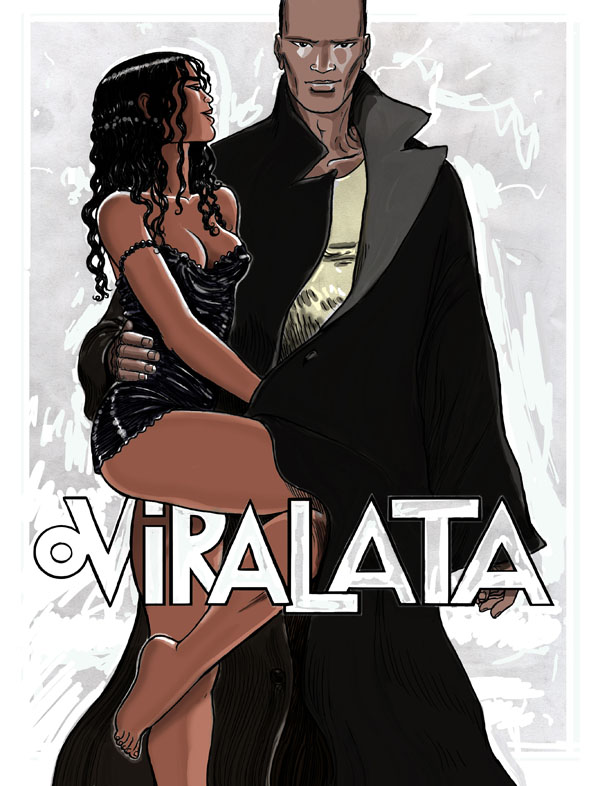
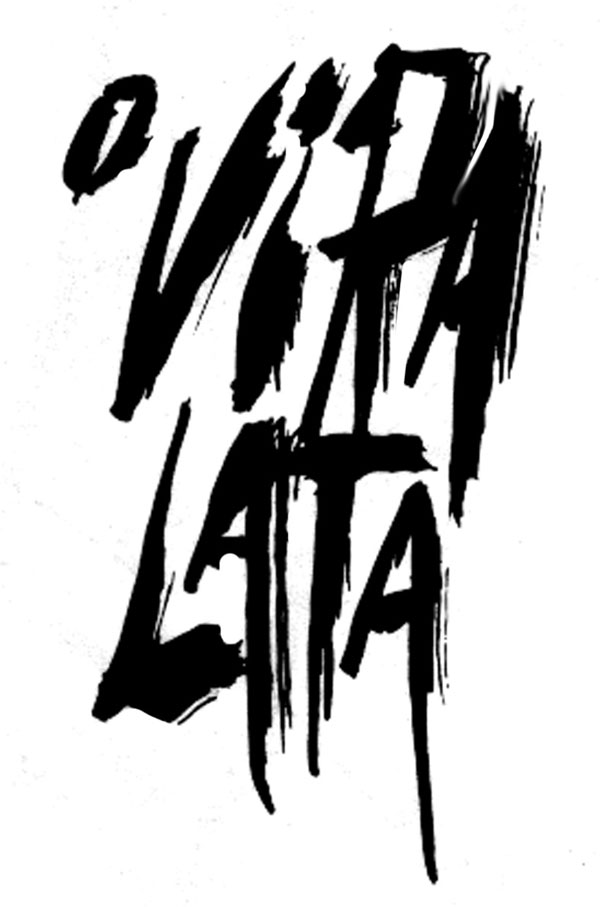
Paulo Garfunkel e seu VIRALATA no Blog do Orlando
vira lata sai da cadeia e invade a matilha cultural
blogdoorlando - como surgiu a idéia de se fazer estórias dentro do universo prisional?
Paulo Garfunkel – Veio de uma conversa com o Dr. Drauzio que já fazia um trabalho voluntário de redução de riscos no Carandiru no auge da epidemia de Aids nos anos 90.
Ele leu o Vira Lata que saiu nas bancas pela VHD DIffusion que editava a revista Animal.
O Vira Ø foi lançado em 91 na Bienal de Quadrinhos.
Paulo Garfunkel – Veio de uma conversa com o Dr. Drauzio que já fazia um trabalho voluntário de redução de riscos no Carandiru no auge da epidemia de Aids nos anos 90.
Ele leu o Vira Lata que saiu nas bancas pela VHD DIffusion que editava a revista Animal.
O Vira Ø foi lançado em 91 na Bienal de Quadrinhos.
blogdoorlando - elas sempre foram pensadas para serem quadrinizadas?
Paulo Garfunkel - Desde que comecei a pensar na história de um cara filho da mesma mãe com pais de raças diferentes, eu já via como um HQ erótico e com trama de ação.
Sacanagem e pancadaria.
Paulo Garfunkel - Desde que comecei a pensar na história de um cara filho da mesma mãe com pais de raças diferentes, eu já via como um HQ erótico e com trama de ação.
Sacanagem e pancadaria.
blogdoorlando - e a parceria entre você e o libero?
Paulo Garfunkel - Um dia, eu mostrei o roteiro pro Skowa, só o texto escrito como um folhetim de aventuras, aí perguntei se ele conhecia algum desenhista que pudesse fazer os quadrinhos.
Ele ligou pro Libero que disse que não poderia, porque estava embarcando pra Europa, mas perguntou ao Skowa:
“Que onda de desenho esse seu amigo tá pensando ?”
Quand eu disse: “Hugo Pratt“, o Libero falou: “…espera que eu tô indo aí!”
Foi em 89, ficamos amigos. De lá pra cá, ás vezes a vida leva cada um pra um lado, mas é sempre divertido trabalhar em dupla com o Líbero, que é um puta artista.
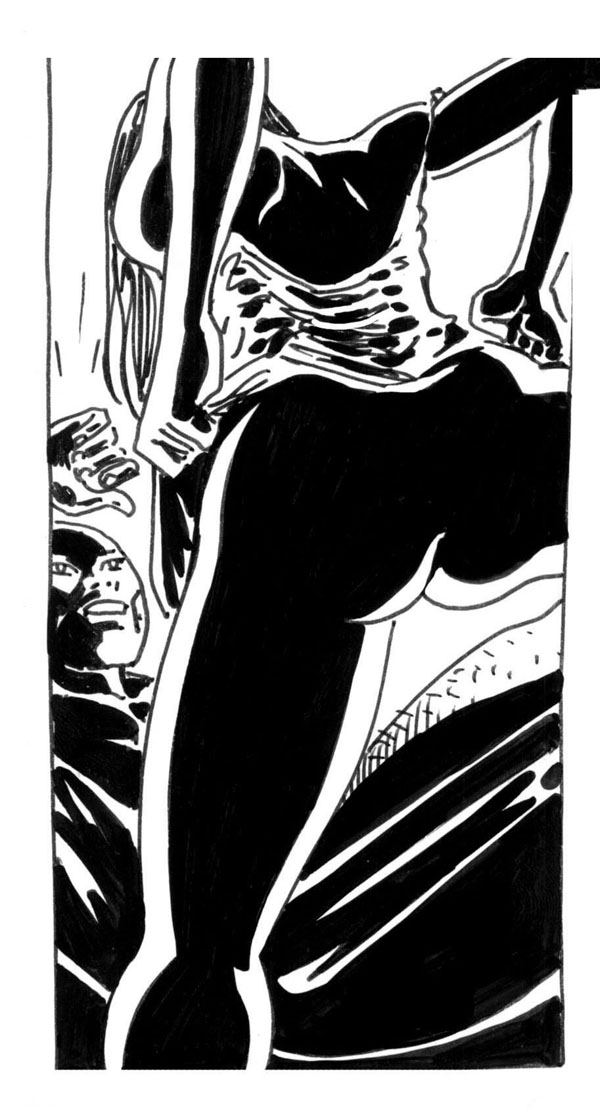
Libero - Depois do telefonema do Skowa, fui pra casa do Magrão e ele leu uma sequência chamada “Batismo de Fogo” . Tinha sangue pra todo lado . Pensei “não é a minha cara”, mas resolvi tentar fazer , por querer muito fazer um dia uma HQ e por reconhecer a qualidade do texto e da história. Quando fui tentar desenhar o sangue escorreu que nem tinta, extravasava algo de mim com certeza. Sempre li quadrinhos de ação e foi um prazer desenhar as lutas e a sacanagem. Além do que abracei a idéia do personagem, um anti herói dosubmundo brasileiro , miscigenado, portador de várias culturas e raizes espirituais, um herói do povo.
Paulo Garfunkel - Um dia, eu mostrei o roteiro pro Skowa, só o texto escrito como um folhetim de aventuras, aí perguntei se ele conhecia algum desenhista que pudesse fazer os quadrinhos.
Ele ligou pro Libero que disse que não poderia, porque estava embarcando pra Europa, mas perguntou ao Skowa:
“Que onda de desenho esse seu amigo tá pensando ?”
Quand eu disse: “Hugo Pratt“, o Libero falou: “…espera que eu tô indo aí!”
Foi em 89, ficamos amigos. De lá pra cá, ás vezes a vida leva cada um pra um lado, mas é sempre divertido trabalhar em dupla com o Líbero, que é um puta artista.
Libero - Depois do telefonema do Skowa, fui pra casa do Magrão e ele leu uma sequência chamada “Batismo de Fogo” . Tinha sangue pra todo lado . Pensei “não é a minha cara”, mas resolvi tentar fazer , por querer muito fazer um dia uma HQ e por reconhecer a qualidade do texto e da história. Quando fui tentar desenhar o sangue escorreu que nem tinta, extravasava algo de mim com certeza. Sempre li quadrinhos de ação e foi um prazer desenhar as lutas e a sacanagem. Além do que abracei a idéia do personagem, um anti herói dosubmundo brasileiro , miscigenado, portador de várias culturas e raizes espirituais, um herói do povo.

blogdoorlando - os personagens, apesar de brasileiros, têm características próximas aos do manara. isso foi proposital?
Paulo Garfunkel - Dentro e fora dos quadrinhos, que mulheres são melhores que as dele ?
Libero - muita gente acha que o Manara é minha principal influência, mas não é. Claro que é um puta desenhista fenomenal e que suas mulheres e trepadas são de arrasar. Até copiei uns desenhos dele – admito sem problema, pois não é fácil ter de desenhar 60 páginas com um cachê pequeno – então tomei umas idéias emprestadsa pra levar para um público que não conhecia nada disso, que nunca leu nada – os presos, a bandidagem mesmo.
Só que nunca o tive como modelo. Meus ídolos pra valer são o Hugo Pratt (como a história da minha amizade com o Paulo mostra bem), o Kirby (sensacional!) e o Moebius que, este sim , acho que deixou uma marca no meu traço pra sempre (Se Deus quiser, aliás). Mais tarde descobri o Crumb que é absolutamente genial.
O Vira Lata foi uma espécie de faculdade de desenho e narrativa pra mim, foi ali que aprendi a me comunicar graficamente e a história inédita do álbum, a última, é , pra mim, como se fosse uma formatura mesmo. Nela cheguei , sem pensar muito, mais perto do estilo do Pratt, que acho maravilhoso.
Quanto a desenhar mulher bonita, isso é bom demais mesmo.
Paulo Garfunkel - Dentro e fora dos quadrinhos, que mulheres são melhores que as dele ?
Libero - muita gente acha que o Manara é minha principal influência, mas não é. Claro que é um puta desenhista fenomenal e que suas mulheres e trepadas são de arrasar. Até copiei uns desenhos dele – admito sem problema, pois não é fácil ter de desenhar 60 páginas com um cachê pequeno – então tomei umas idéias emprestadsa pra levar para um público que não conhecia nada disso, que nunca leu nada – os presos, a bandidagem mesmo.
Só que nunca o tive como modelo. Meus ídolos pra valer são o Hugo Pratt (como a história da minha amizade com o Paulo mostra bem), o Kirby (sensacional!) e o Moebius que, este sim , acho que deixou uma marca no meu traço pra sempre (Se Deus quiser, aliás). Mais tarde descobri o Crumb que é absolutamente genial.
O Vira Lata foi uma espécie de faculdade de desenho e narrativa pra mim, foi ali que aprendi a me comunicar graficamente e a história inédita do álbum, a última, é , pra mim, como se fosse uma formatura mesmo. Nela cheguei , sem pensar muito, mais perto do estilo do Pratt, que acho maravilhoso.
Quanto a desenhar mulher bonita, isso é bom demais mesmo.

blogdoorlando - como as revistas foram recebidas dentro da prisão?
Paulo Garfunkel - Os caras gostavam, davam palpites pras próximas aventuras, às vezes reclamavam de um enredo mais complexo ou de uma diagramação menos convencional.
Nos dias de distribuição, corríamos por todas as celas entregando uma revista pra cada preso.
Na cadeia não pode haver diferença. eram 7.700 caras. Demorava entre 3 e 4 horas a distribuição.
Eles pegavam o gibi e já saíam lendo.
“Porra, esse Vira Lata tá sempre no cio!” comentou uma vez um malandro.
Paulo Garfunkel - Os caras gostavam, davam palpites pras próximas aventuras, às vezes reclamavam de um enredo mais complexo ou de uma diagramação menos convencional.
Nos dias de distribuição, corríamos por todas as celas entregando uma revista pra cada preso.
Na cadeia não pode haver diferença. eram 7.700 caras. Demorava entre 3 e 4 horas a distribuição.
Eles pegavam o gibi e já saíam lendo.
“Porra, esse Vira Lata tá sempre no cio!” comentou uma vez um malandro.
blogdoorlando - qual a participação do drauzio varella no processo de criação?
Paulo Garfunkel - Decidíamos juntos qual tema seria abordado naquela edição como: crack, tuberculose, ou drogas injetáveis, etc…
Aí eu escrevia o roteiro, o Líbero quadrinizava, e antes da finalização líamos os três juntos, pra corrigir algum ponto e esclarecer procedimentos de prevenção.
Sempre sem adotar um tom didático e erotizando o uso da camisinha.
Como diz o Dr Drauzio: “É uma revista de sacanagem com supervisão científica!”
Já na terceira ou quarta revista aparecia o próprio, desenhado nos momentos mais calientes, dando as dicas:
“Vai dar a segunda, herói ? Outra camisinha!”
Paulo Garfunkel - Decidíamos juntos qual tema seria abordado naquela edição como: crack, tuberculose, ou drogas injetáveis, etc…
Aí eu escrevia o roteiro, o Líbero quadrinizava, e antes da finalização líamos os três juntos, pra corrigir algum ponto e esclarecer procedimentos de prevenção.
Sempre sem adotar um tom didático e erotizando o uso da camisinha.
Como diz o Dr Drauzio: “É uma revista de sacanagem com supervisão científica!”
Já na terceira ou quarta revista aparecia o próprio, desenhado nos momentos mais calientes, dando as dicas:
“Vai dar a segunda, herói ? Outra camisinha!”

blogdoorlando - dos anos 90 pra cá, o que mudou quanto à questão da aids dentro das cadeias?
Paulo Garfunkel - Nas cadeias é como aqui fora, só que mais concentrado.
Agora, a Aids já não mata tanto, o “baque”, como era chamada a cocaína injetável caiu de moda, o que do ponto de vista da disseminação do HIV é uma vantagem.
Mas agora é a vez do crack, que desestrutura mais rapidamente o usuário.
O nóia causa muita confusão na cadeia, porque perde o discernimento e atravessa o samba.
E o código de conduta da malandragem é muito rígido.
“Lá fora, a lei caduca. Aqui dentro, não. O cara pisou na bola, um dia ele vai pagar.”
Paulo Garfunkel - Nas cadeias é como aqui fora, só que mais concentrado.
Agora, a Aids já não mata tanto, o “baque”, como era chamada a cocaína injetável caiu de moda, o que do ponto de vista da disseminação do HIV é uma vantagem.
Mas agora é a vez do crack, que desestrutura mais rapidamente o usuário.
O nóia causa muita confusão na cadeia, porque perde o discernimento e atravessa o samba.
E o código de conduta da malandragem é muito rígido.
“Lá fora, a lei caduca. Aqui dentro, não. O cara pisou na bola, um dia ele vai pagar.”
blogdoorlando - e agora sai um coletânea pela editora peixe grande com lançamento na matilha cultural. como rolou isso e o que tem nele?
algo inédito?
Paulo Garfunkel - Pois agora, 21 anos depois do lançamento primeiro ViraLata, 10 anos depois da implosão do Carandiru, nos aparece o Toninho Mendes, o lendário editor da revista Circo, com a idéia de fazer essa coletânea.
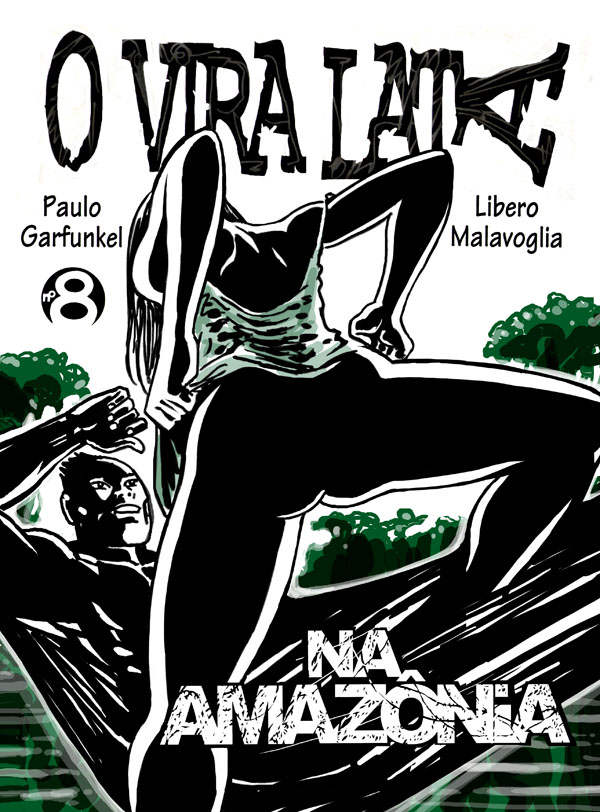
Tá aí, um almanacão de 440 páginas, contendo a história que saiu pela Animal, que mostra parte da Gênesis do herói, mais as 7 revistas que só circularam na cadeia, um dossie organizado pelo Toninho, que conta a trajetória do Vira-Lata dentro e fora das grades e, de lambuja, uma aventura inédita ambientada na Amazônia.
algo inédito?
Paulo Garfunkel - Pois agora, 21 anos depois do lançamento primeiro ViraLata, 10 anos depois da implosão do Carandiru, nos aparece o Toninho Mendes, o lendário editor da revista Circo, com a idéia de fazer essa coletânea.
Tá aí, um almanacão de 440 páginas, contendo a história que saiu pela Animal, que mostra parte da Gênesis do herói, mais as 7 revistas que só circularam na cadeia, um dossie organizado pelo Toninho, que conta a trajetória do Vira-Lata dentro e fora das grades e, de lambuja, uma aventura inédita ambientada na Amazônia.
blogdoorlando - existe a possibilidade de esta saga continuar ainda em algum momento futuro ou vocês etão fechando um ciclo?
Paulo Garfunkel - Tem muita história do Vira Lata pela frente. O argumento ganhou um prêmio de incentivo do PROAC pra criação do roteiro de um longa metragem de animação.
O roteiro tá pronto e estamos correndo atrás da papelada da Ancine.
Tem um projeto de série de TV.
E eu continuo escrevendo passagens da vida do Vira Lata pra futuros gibis.
Libero - Não sei o que acontece agora como Vira Lata, mas é um prazer grande vê-lo fora dasgrades e sempre vou gostar de desenhá-lo. Acho importante dizer que desenhos do Vira no blog dele já aparecem no traço de outros artistas . O Yuri Garfunkel e o Bruno Mestriner da Sopa Grafix e isso aumenta nosso leque de possibilidades.
Paulo Garfunkel - Tem muita história do Vira Lata pela frente. O argumento ganhou um prêmio de incentivo do PROAC pra criação do roteiro de um longa metragem de animação.
O roteiro tá pronto e estamos correndo atrás da papelada da Ancine.
Tem um projeto de série de TV.
E eu continuo escrevendo passagens da vida do Vira Lata pra futuros gibis.
Libero - Não sei o que acontece agora como Vira Lata, mas é um prazer grande vê-lo fora dasgrades e sempre vou gostar de desenhá-lo. Acho importante dizer que desenhos do Vira no blog dele já aparecem no traço de outros artistas . O Yuri Garfunkel e o Bruno Mestriner da Sopa Grafix e isso aumenta nosso leque de possibilidades.
serviço:
lançamento do álbum vira lata
de paulo garfunkel e libero malavoglia
supervisão científica de drauzio varella
editora peixe grande
r$69
de paulo garfunkel e libero malavoglia
supervisão científica de drauzio varella
editora peixe grande
r$69
dia 18 de setembro
das 18h às 22h
das 18h às 22h
matilha cultural
r. rego freitas, 542
v. buarque – sp
fone: 11 3256 2636
r. rego freitas, 542
v. buarque – sp
fone: 11 3256 2636
Assinar:
Postagens (Atom)